SOLAR PANEL INSTALLATION · NORTHERN IRELAND

Solar Panel Installation
in Northern Ireland

From roof survey and system design to fitting, electrical checks and handover: a practical step-by-step guide for Northern Ireland homeowners.

Property-specific designYour roof and electricity demand come first
Safety and qualityUnderstand workmanship and documentation
Clear project stepsKnow what happens at each stage
Long-term confidenceMonitoring, warranties and aftercare

FROM FIRST SURVEY TO COMMISSIONING

The solar panel installation process

A residential installation is more than fixing panels to a roof. Your installer should assess the property, document the proposed system and explain the electrical and grid-related steps applicable in Northern Ireland.

Initial survey for residential solar PV01

Initial survey

An installer assesses your roof, shading, structure, wiring, electricity consumption and safe access.

System design for residential solar PV02

System design

Review proposed system capacity, panel and inverter specifications, projected generation and a written quotation.

Roof and electrical work for residential solar PV03

Roof and electrical work

Agree scaffolding and working arrangements, then check who handles mounting, wiring and electrical safety.

Testing and handover for residential solar PV04

Testing and handover

Receive commissioning details, monitoring instructions, equipment documentation and warranty information.

BEFORE WORK STARTS

Before installation

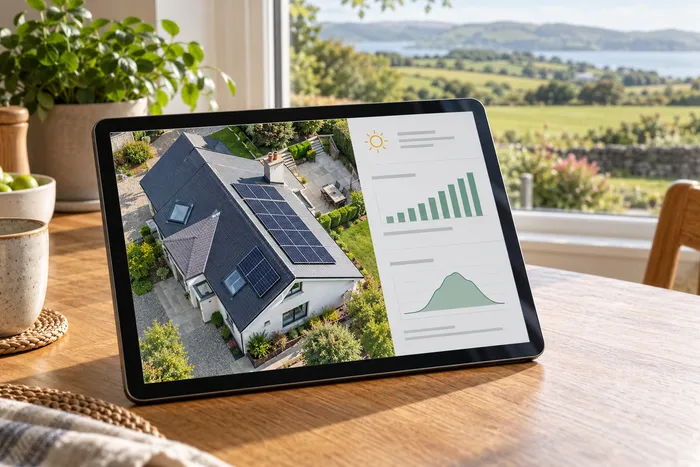
A competent survey should confirm roof condition, orientation, pitch and shading, as well as cable routes, available inverter space and electrical capacity. Ask whether roof repairs, access equipment or additional electrical work are needed.

For homes in Belfast, Lisburn, Newry and elsewhere in Northern Ireland, the installer should explain any property-specific planning restrictions and NIE Networks steps. Request a written design and an itemised quotation before paying a deposit.

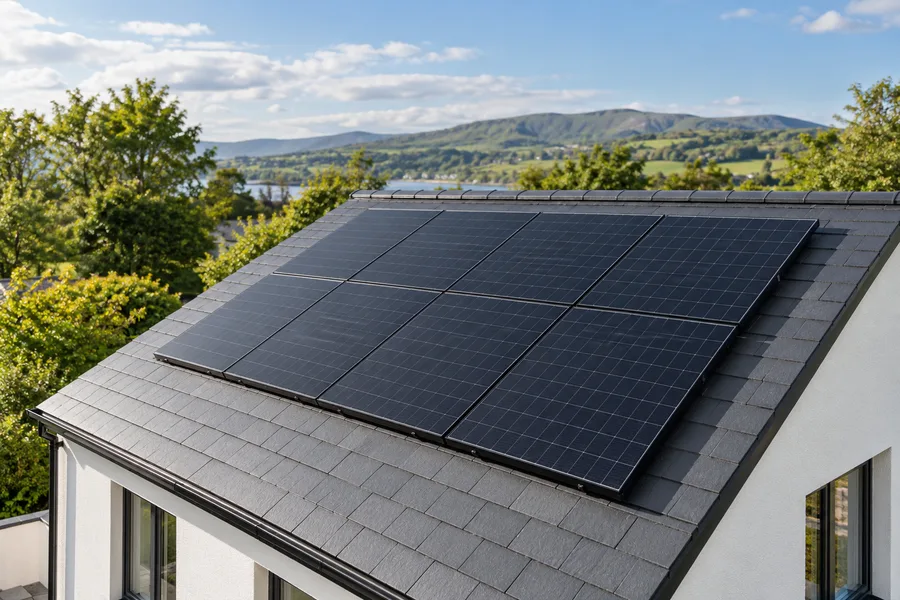
Residential pitched roof with solar panels

THE WORKING DAYS

During the project

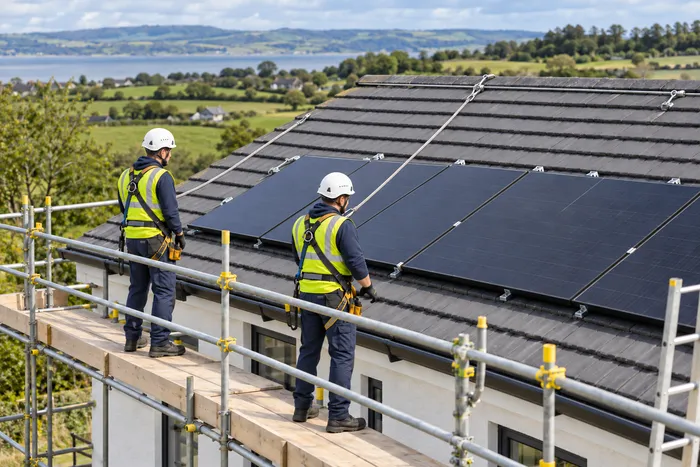
The team typically installs roof mounting rails, solar photovoltaic modules, an inverter, cable routes and appropriate electrical protection. Scaffolding and roof access should be managed safely, with care taken over roof covering and weatherproofing.

The exact duration depends on the system, property, conditions and whether battery storage is included. Confirm if household electricity will be interrupted and how the property will be left each day.

Solar equipment installation on a rooftop

AFTER INSTALLATION

Handover and records

Do not judge completion by the panels alone. Ask for commissioning information, appropriate electrical certification, manufacturer documentation, workmanship guarantees and instructions for safe operation and isolation.

Make sure monitoring is activated and that you know whom to contact if generation drops or equipment reports a fault. Keep design drawings and warranties with your home records.

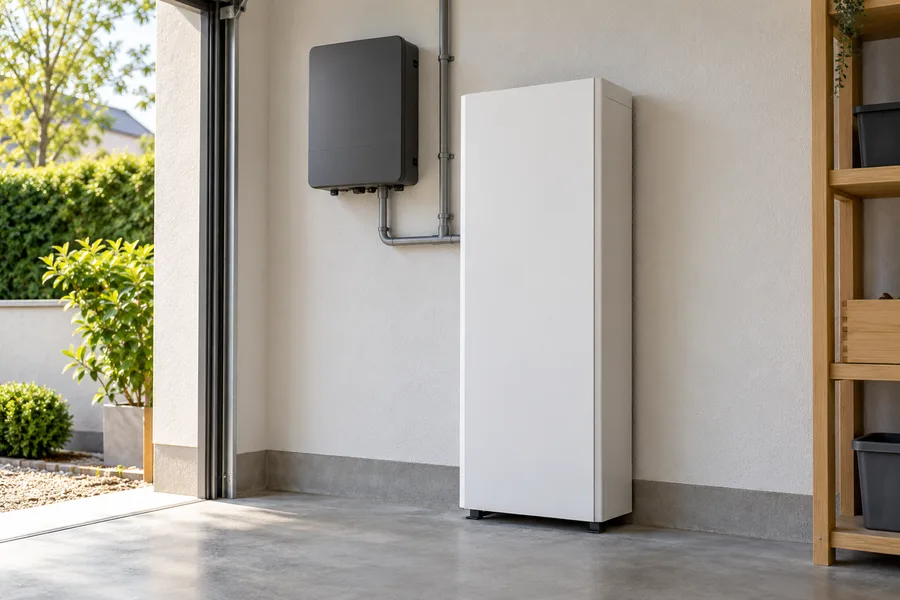
Residential electrical and solar storage equipment

PRACTICAL QUESTIONS

Plan the installation with confidence

How long will it take?

Allow time for survey, design, scheduling and any checks. A straightforward roof fitting may be relatively quick, but do not assume an identical timeframe for every house.

Do you need permission?

Northern Ireland planning rules have exceptions. Check your council and property circumstances and confirm current connection responsibilities.

What is included?

Compare panels, inverter, mounting, scaffolding, electrical work, commissioning, battery options and guarantees on the same basis.

COMPARE WRITTEN PROPOSALS

Installation costs and what to check

The overall price depends on panel capacity, roof access, scaffolding, inverter specification, required electrical upgrades and optional battery storage. Compare the complete installed cost rather than a headline equipment price.

A strong quotation includes estimated generation in kWh per year, roof drawings, equipment specifications, warranties, exclusions, relevant safety work and the responsibilities for grid connection. Savings projections should state their underlying electricity price and self-consumption assumptions.

Explore solar installation costs in Northern Ireland →

NORTHERN IRELAND HOMEOWNER FAQS

Frequently asked questions

How long does solar panel installation take?

The physical installation may be completed in a few days for a straightforward home, but surveys, equipment ordering, access, weather and any approvals can lengthen the overall project. Ask for a written timetable.

Do I need planning permission in Northern Ireland?

Some domestic installations may qualify as permitted development, subject to conditions and exceptions. Check the Northern Ireland Planning Portal and local council requirements for your particular property before starting.

Will installation require scaffolding?

Many pitched-roof installations need suitable access equipment and fall-protection measures. The installer should assess this and say whether scaffolding is included in the quotation.

Can panels be fitted to an older roof?

Roof age alone does not decide suitability. A survey should assess covering condition, load, fixings and any work needed before solar equipment is installed.

What documents will I receive?

Ask for an itemised contract, equipment specifications, commissioning records, applicable electrical certificates, warranties, monitoring details and emergency isolation instructions.

Do I have to notify NIE Networks?

Connection requirements depend on the installation and its generation and export capacity. Ask your installer to confirm the current NIE Networks notification or application process and who is responsible.

Can a battery be installed at the same time?

Often yes, but it should be sized and specified around household usage, inverter compatibility, physical location and additional cost. Compare solar-only and solar-plus-battery quotes.

How can I compare installers?

Compare roof surveys, generation estimates, equipment specifications, total price, exclusions, workmanship arrangements, warranties, consumer protection and aftercare rather than price alone.

Additional installation guidance

A residential installation involves more than fixing panels onto a roof. A suitable installer should first understand your property, check the electrical arrangement and explain how the system will be connected and commissioned.

Before installation

The survey should examine the roof covering, potential shading, safe access, available cable routes and the location of the inverter. Check what scaffolding or access equipment is included and who is responsible for any remedial roof work.

During the project

Installation generally involves roof mounting equipment, photovoltaic modules, electrical wiring and an inverter. Where a battery is included, its location, ventilation, operating temperature and manufacturer installation requirements also matter. Ask how access to the property will be managed.

Handover and records

Before paying the final balance, ask for commissioning information, electrical certificates where applicable, product warranties, monitoring instructions and emergency shutdown guidance. Confirm whether any network notification or approval is required for your proposed system.

Next steps for Northern Ireland homeowners

Gather recent electricity bills, note any shading or roof access concerns, and request an individual assessment before making a commitment. The information here is general guidance, not a substitute for a site survey, qualified electrical advice or current scheme terms. If you are considering an installation, begin with our related solar guidance and additional homeowner information.

Questions to ask before deciding

  • How does the design reflect my actual roof and electricity usage?
  • Which equipment, electrical work and installation services are included?
  • What assumptions support the generation and financial estimates?
  • What guarantees, product warranties and aftercare arrangements apply?
  • Are any Northern Ireland permissions, notifications or eligibility checks needed?

Keep the written quotation, product specification and warranty details together so that you can compare options on a consistent basis.

READY TO TAKE THE NEXT STEP?

Plan your solar installation.

Understand your roof, electricity use and proposed equipment before committing to a quotation.

Get a solar quote